
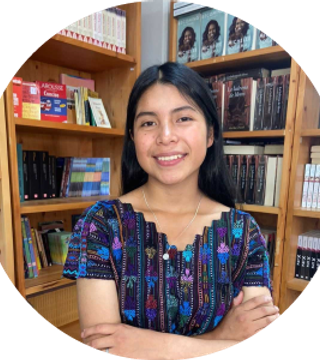
Adela Esther Tuy Tuy
Adela is a Maya Kaqchikel writer from Sololá, Guatemala. She founded Up&Up, a collective for young Indigenous women, and is an ambassador for Girl Rising and a writer for The Teen Magazine. A published poet and storyteller, she studies Social Communication Sciences and is committed to creating spaces where Indigenous youth and their stories are seen and heard.
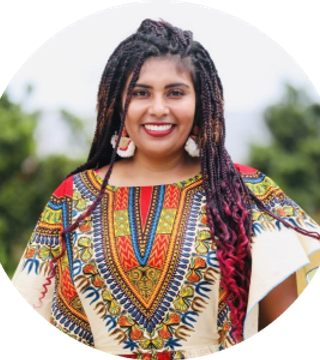
Ana Yency Lemus Chávez
Ana is an Afro-descendant woman of Panune heritage and an environmental and human rights advocate from El Salvador. She founded the Salvadoran Afro-descendant Organized Foundation and has presented proposals to strengthen climate action, recognise Afro-descendant communities and protect their territories. Her work focuses on climate justice and social inclusion.
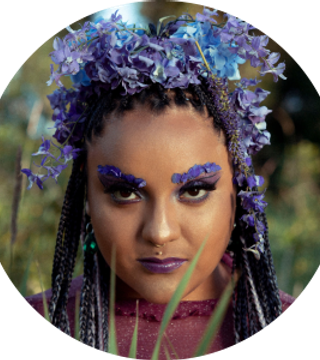
Antumalen Ayelen Antillanca Urrutia
Antumalen is a Huilliche Mapuche leader from Isla Huapi in southern Chile. She co-leads Epu Lafken Mapu, a community initiative that brings together Indigenous communities and scientists to monitor the water quality of the Ranco and Maihue lakes. Her work is driven by protecting her territory and securing clean water for future generations.
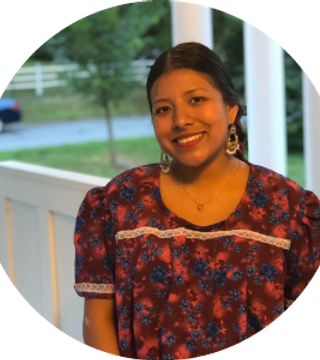
Betzabeth Martínez Gutiérrez
Betzabeth is a Zapotec leader from Santiago Matatlán, Oaxaca. With a background in accounting, she has led environmental projects since childhood and later expanded her work to include Indigenous women's empowerment, language preservation and human rights. Today she supports community sustainability and environmental action linked to the mezcal industry.
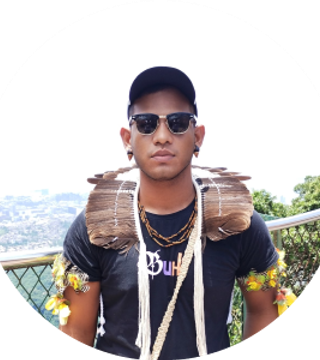
Ervison Araújo Silva
Ervison, also known as Wrakitã Terê, is an Indigenous leader and apprentice shaman from the Geripankó people in Brazil. He represents the Tonã Toá youth collective and supports Indigenous rights through APOINME. As the first municipal secretary for Indigenous and Quilombola peoples in his city, he works to protect land, culture and future generations.
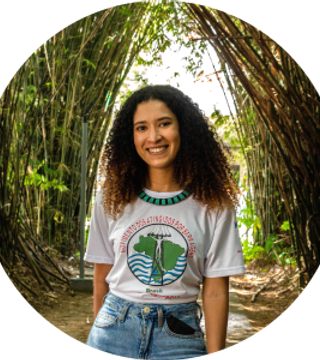
Gabrielle Pompeu Sodré
Gabrielle is an environmental justice activist from western Bahia, Brazil, where communities continue to face the impacts of drought, dams and agribusiness. She is part of the Movement of People Affected by Dams, supporting communities defending their rights and territories. Her work connects local struggles with climate justice across Brazil.
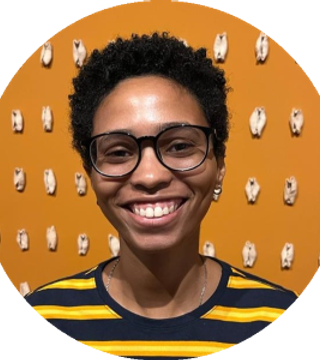
Hellen Freitas Ferreira
Hellen is a psychology student and community leader from Belford Roxo, Brazil. She co-founded Mais Por Nós, a project supporting people in socially vulnerable communities. Through her research at the Federal University of Rio de Janeiro, she explores race, gender, sexuality and the impacts of climate change on historically marginalised communities.
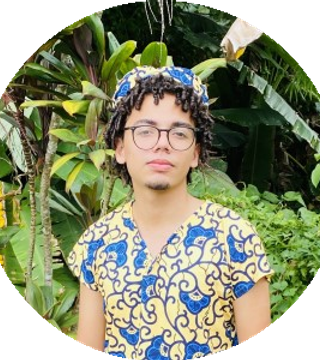
Jeyreel Emanuel Mora Solano
Jeyreel is an Afro-descendant social and environmental activist from Costa Rica and a member of the LGBTQ+ community. As a student leader, he has organised youth groups focused on environmental justice, sustainability and human rights. His work brings together climate action and social justice to strengthen youth participation in public life.
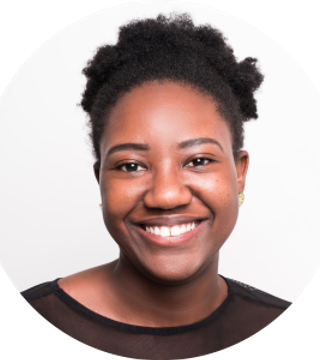
Juliana Melisa Asprilla Cabezas
Juliana is a sociologist from Colombia whose work focuses on community development, gender, race, ethnicity and peacebuilding. She has coordinated projects on education, mental health, gender violence prevention and social entrepreneurship. She is committed to advancing ethnic and racial inclusion while promoting climate justice and equity across the Global South.
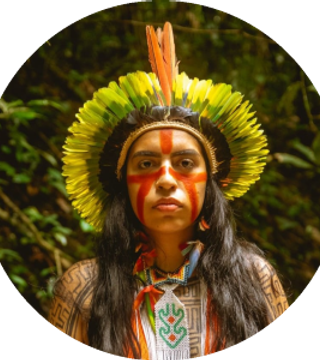
Rayane da Silva França
Rayane, also known as Yawadj Xipai, is an Indigenous student from the Middle Xingu region of Brazil. She studies International Relations and is the first Indigenous woman in her programme. Her work focuses on climate issues, international law, gender and race, with the goal of helping more Indigenous young people access and thrive in these spaces.
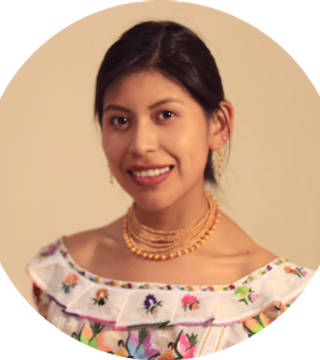
Sydney Mishel Males Muenala
Sydney is a Kichwa Otavalo activist working across climate justice, racial equity and Indigenous rights. She has represented her community at international forums including COP27 and the United Nations Permanent Forum on Indigenous Issues. Her research and advocacy focus on the impacts of mining and strengthening Indigenous leadership and environmental protection.
Impact report
Learn more about our global impact
Discover how LAYCS delegates are actively shaping local policies and national delegations.
FAQ
Frequently Asked Questions
How do I join a program?
Applications for the LAYCS Scholarship open once a year and are announced on our social media channels and through partner networks. Keep an eye on our Instagram and LinkedIn, or write to info@laycs.org to be notified when the next call opens.
What is the difference between the Scholarship and the Fellowship?
The Scholarship is a one-year program that prepares scholars to participate in UN climate negotiations for the first time, with capacity building, fully funded participation and language justice support. The Fellowship, launched in 2026, is the next step: it accompanies a small group of alumni as they deepen their expertise and build long-term careers in climate policy.
Who can apply?
LAYCS supports young Black, Indigenous and People of Colour leaders from across Latin America who are engaged in climate action in their communities. Each call for applications details the specific criteria for that cohort.
Can I share and use the briefings?
Yes. We publish our policy briefings to make negotiation spaces more accessible to the wider youth movement. You are welcome to read, download and share them — and to reach out via info@laycs.org if you have questions or feedback.