
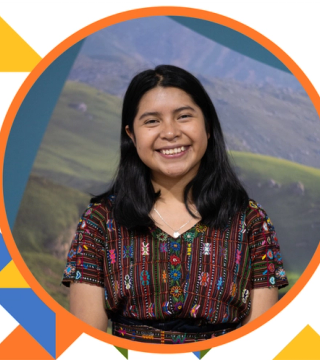
Adela Esther Tuy Tuy
Adela is an Indigenous Maya Kaqchikel communicator from Sololá, Guatemala. She focuses on human rights, climate action, education and gender, using writing and art as tools for expression and social change. A published poet and storyteller, she studies Social Communication Sciences and is committed to creating spaces where Indigenous youth and their stories are seen and heard.
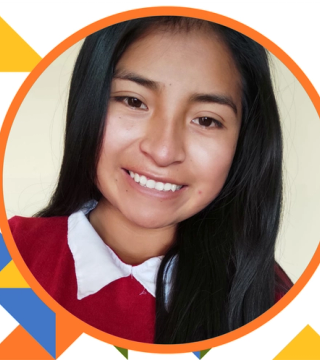
Deniza Flores Orcko
Deniza is from the community of Chaquilla Alta in Potosí, Bolivia. She raises awareness of the environmental impacts of mining, water scarcity and food security while supporting forest restoration in Cantumarca. Through writing, murals, videos and educational content, she combines art with environmental advocacy and the protection of her territory.
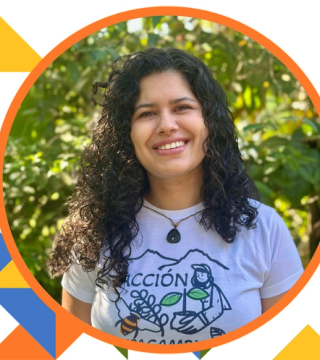
Hazel Daniela Muñoz Alpízar
Hazel is a young leader from Bijagua, Costa Rica. She has worked with international organisations on projects focused on forest conservation, climate adaptation and connecting science with local communities. Her work promotes food security, environmental justice and the active participation of women in climate action.
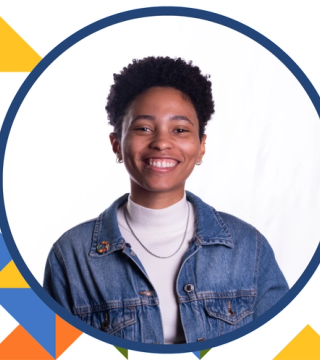
Hellen Freitas Ferreira
Hellen is a psychologist and social activist from the Baixada Fluminense region of Brazil. She researches race, gender, sexuality and the impacts of climate change on historically marginalised communities. She co-founded Mais Por Nós and has collaborated with organisations working on social justice, environmental protection and community wellbeing.
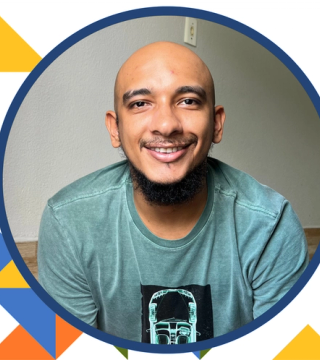
João Bosco Verçosa
João is an educator and science communicator from Brazil. He works in teacher training, educational consulting and climate education, helping bring climate justice into classrooms and digital spaces. As founder of Hey Ciência, a network of more than 2,000 teachers, he connects global climate discussions with everyday learning.
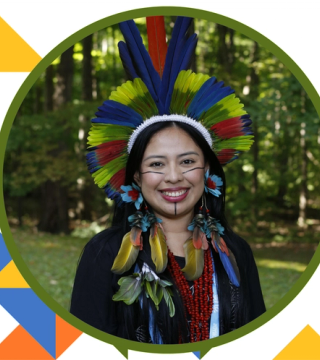
Maricelma Francelino Fialho Cândido
Maricelma is an Indigenous biomedical scientist from the Terena people in Brazil. Her research focuses on Indigenous health and the environment. As the first Indigenous Brazilian woman selected as a One Young World ambassador, she works to strengthen Indigenous leadership and ensure Indigenous communities shape decisions about their future.
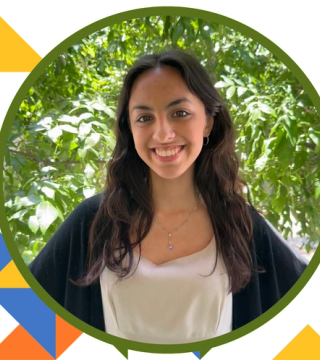
Martina Bahiana Basgall Sequeira
Martina is a feminist and climate activist from Buenos Aires, Argentina. Recognised among the top 10 students in the world through the Global Student Prize 2024, she approaches the climate crisis through a human rights lens. She coordinates environmental education projects and works with communities to promote collective climate action.
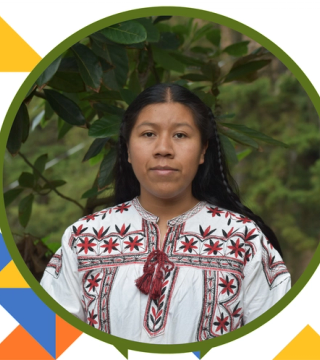
María Esther Martínez
María Esther is an Ayuujk woman from Xaamkëjxp, Mexico. She practises agroecology through traditional milpa farming and contributes to documenting biodiversity in the Ayuujk language. Her work supports forest conservation, ancestral healing and women's wellbeing while defending territory and the rights of Indigenous women and girls.
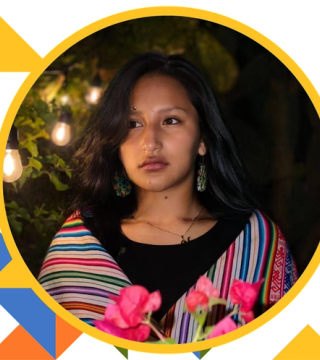
Nataly Moscoso Cardenas
Nataly is a Quechua woman from Andahuaylas, Peru, and a human rights defender. She works with rural communities across southern Peru to encourage sustainable practices and youth participation. Her work values Andean knowledge while strengthening the connections between culture, human rights and environmental protection.
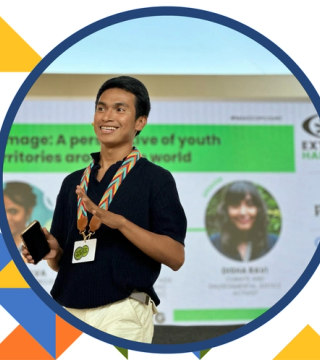
Pepe Villalobos
Pepe is a queer climate activist from Chiapas, Mexico, specialising in Loss and Damage, Adaptation and international climate finance. They develop advocacy strategies with trans activists, helping strengthen inclusive climate policy. Their work focuses on ensuring climate justice reflects the experiences of historically excluded communities.
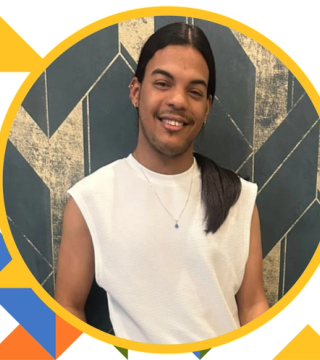
Starlin Paul Cadete Liranzo
Starlin is an economist from the Dominican Republic who designs and manages community projects focused on health, disability, disaster risk management and the environment. He works closely with young people to strengthen climate action, promote human rights and support the wellbeing of historically excluded communities.
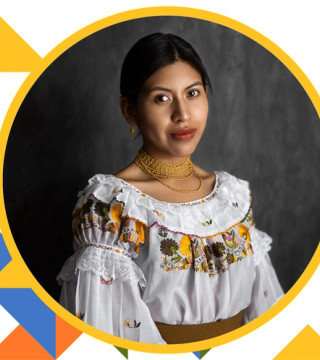
Sydney Mishel Males Muenala
Sydney is a Kichwa Otavalo leader from Ecuador working on Indigenous rights and climate justice. She is an international consultant and founder of the Wallpay Crew Collective, supporting local development and Indigenous leadership. She also represents her community in international spaces, including United Nations forums and climate negotiations.
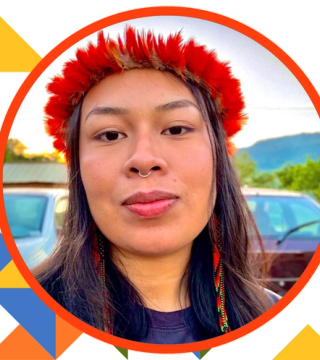
Txulunh Natieli Favenh Gakran
Txulunh is a young Indigenous leader from the Laklanõ Xokleng people in Brazil. She leads the Xokleng youth organisation and works to confront violence against Indigenous women and girls while strengthening community leadership. Her research on natural fibres promotes sustainable alternatives rooted in ancestral knowledge and territorial protection.
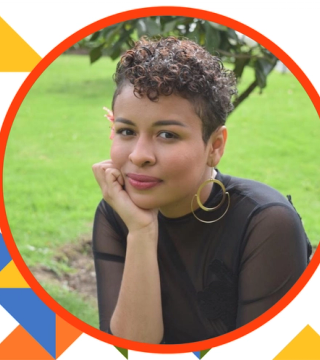
Zharif Alexandra Suárez Rojas
Zharif is an Afro-Colombian activist from Cesar, Colombia, and a mother committed to advancing educational, environmental and social justice. Her work supports rural and Afro-descendant communities through an Afro-feminist and intersectional approach. She advocates for inclusion, sustainability and equal opportunities for historically excluded communities.
Impact report
Learn more about our global impact
Discover how LAYCS delegates are actively shaping local policies and national delegations.
FAQ
Frequently Asked Questions
How do I join a program?
Applications for the LAYCS Scholarship open once a year and are announced on our social media channels and through partner networks. Keep an eye on our Instagram and LinkedIn, or write to info@laycs.org to be notified when the next call opens.
What is the difference between the Scholarship and the Fellowship?
The Scholarship is a one-year program that prepares scholars to participate in UN climate negotiations for the first time, with capacity building, fully funded participation and language justice support. The Fellowship, launched in 2026, is the next step: it accompanies a small group of alumni as they deepen their expertise and build long-term careers in climate policy.
Who can apply?
LAYCS supports young Black, Indigenous and People of Colour leaders from across Latin America who are engaged in climate action in their communities. Each call for applications details the specific criteria for that cohort.
Can I share and use the briefings?
Yes. We publish our policy briefings to make negotiation spaces more accessible to the wider youth movement. You are welcome to read, download and share them — and to reach out via info@laycs.org if you have questions or feedback.