
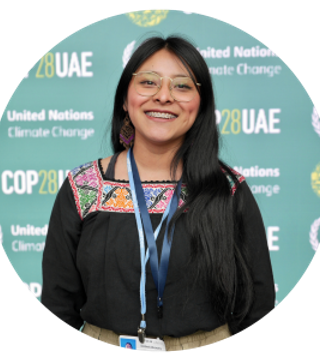
Alma Xochitl Zamora Mendez
Alma is a Nahua Indigenous woman from the Sierra Norte de Puebla in Mexico. She studies communication and journalism and is passionate about sharing stories that are often overlooked. Through community projects, she has supported local development and created spaces where Indigenous voices, knowledge and experiences can be heard and valued.
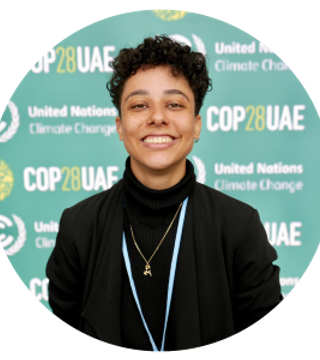
Audrey Luiza Almeida Gonçalves
Audrey is an environmental engineer from Belo Horizonte, Brazil. Since 2017, she has worked in environmental education and supported socio environmental projects with communities in Florianópolis. More recently, she has contributed to climate adaptation initiatives, helping develop strategies that support a low carbon and more resilient future in Brazil.
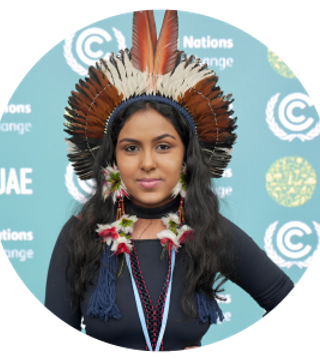
Açucena Marinheiro da Silva
Açucena is a young Indigenous leader from the Tumbalalá community in northern Brazil. She is part of Cunharai Ikhã ("Girls in Struggle"), where she works on territorial rights and raises awareness of the impacts of agribusiness and mining on Indigenous Peoples. Her work centres on protecting land, culture and the future of her community.
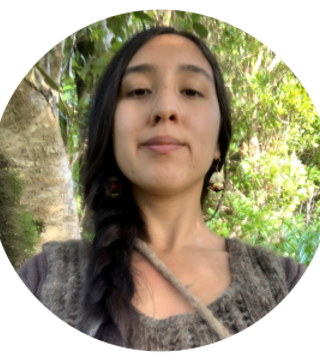
Camila Romero
Camila is an anthropologist and socio environmental activist from southern Chile, in Mapuche ancestral territory. She works to protect Indigenous rights and strengthen environmental justice through community communication projects. She is also part of Colectivo Viento Sur, an international network of environmental defenders across Latin America.
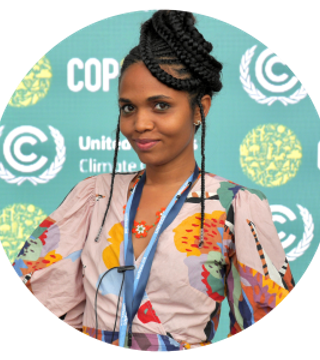
Daniela Soares da Silva
Daniela is a geographer and socio environmental activist from Altamira in the Brazilian Amazon. She founded the Aldeias project to help children and young people reconnect with their cultural identity while facing the impacts of large development projects. Her work also encourages young people to take an active role in climate action and community leadership.
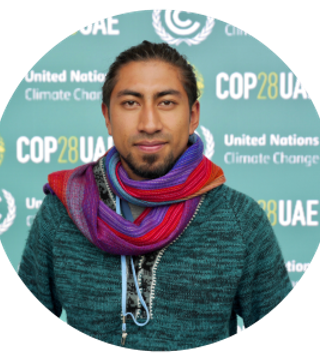
Diego Albeiro Aza Valenzuela
Diego is a member of the Indigenous Pastos people in Colombia. He helped restore the Maigantes wetland by planting more than 5,000 native trees and supports environmental awareness through youth leadership. As a volunteer communications coordinator, he also created and hosts the community radio programme Mañana Verdes.
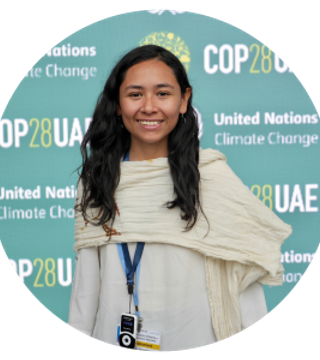
Guidaí Vargas Michelena
Guidaí is a member of the Basquadé Inchalá community on the outskirts of Montevideo, Uruguay. She leads the Memory, Restoration and Indigenous Ancestry project, working with a group of women to restore the polluted Pantanoso Stream. Her work brings together environmental restoration, Indigenous identity and collective action for healthier communities.
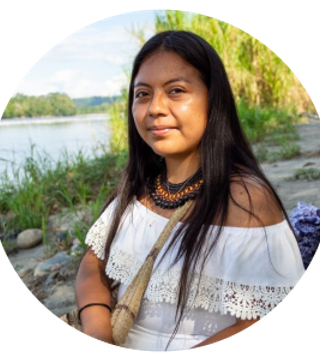
Maria José Andrade Cerda
Maria José is a member of the Kichwa Serena Community in the Ecuadorian Amazon and part of Yuturi Warmi, the first Indigenous women led guard in the region. She studied International Relations and is completing a master's degree in Rights of Nature and Intercultural Justice. She also coordinates the Runa Yachay community school and supports youth leadership.
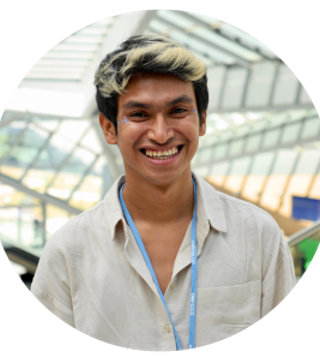
Pepe Villalobos
Pepe is a non-binary climate activist from Chiapas, Mexico, with a background in psychology. They advocate for climate justice and LGBTQ+ rights while supporting grassroots organising through the People's Ecologist Assembly. As a writer, they draw on the legends and traditions of their community to create fantasy stories rooted in culture.
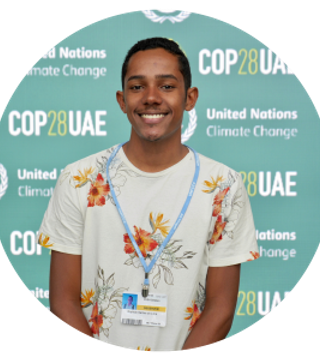
Raylson Santos Lima
Raylson is a farmer and journalism student from Brazil who is passionate about education, environmental awareness and rural youth leadership. Drawing on his experience in family farming, he works to encourage young people to engage in climate action and show how sustainable agriculture can create stronger and more resilient communities.
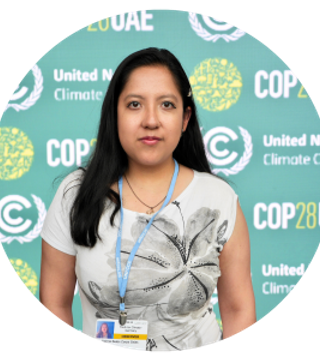
Valeria Belén Cerpa Salas
Valeria is an architect, urban planner and sustainable cities advocate from Peru. She founded the project Data for Resilient Spaces to help communities use data and digital tools to strengthen resilience. Her work combines project management, mapping, participatory workshops and technology to support more inclusive and sustainable urban development.
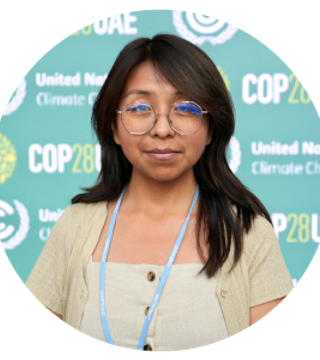
Wara Iris Ruiz Condori
Wara is an entrepreneur, sustainability consultant and eco social mentor of Aymara descent from Bolivia. She founded MUSA ECOLAB and leads initiatives that promote food security, environmental awareness and community resilience. Through regional and international youth networks, she supports collaboration and helps young people develop practical climate solutions.
Impact report
Learn more about our global impact
Discover how LAYCS delegates are actively shaping local policies and national delegations.
FAQ
Frequently Asked Questions
How do I join a program?
Applications for the LAYCS Scholarship open once a year and are announced on our social media channels and through partner networks. Keep an eye on our Instagram and LinkedIn, or write to info@laycs.org to be notified when the next call opens.
What is the difference between the Scholarship and the Fellowship?
The Scholarship is a one-year program that prepares scholars to participate in UN climate negotiations for the first time, with capacity building, fully funded participation and language justice support. The Fellowship, launched in 2026, is the next step: it accompanies a small group of alumni as they deepen their expertise and build long-term careers in climate policy.
Who can apply?
LAYCS supports young Black, Indigenous and People of Colour leaders from across Latin America who are engaged in climate action in their communities. Each call for applications details the specific criteria for that cohort.
Can I share and use the briefings?
Yes. We publish our policy briefings to make negotiation spaces more accessible to the wider youth movement. You are welcome to read, download and share them — and to reach out via info@laycs.org if you have questions or feedback.